
Which obesity treatment is best?
When comparing gastric balloon vs bariatric surgery, patients and clinicians may also consider weight-loss drugs as a non-surgical treatment option.
There is no single best obesity treatment for everyone. Lifestyle therapy, anti-obesity medication, intragastric balloons, other endoscopic procedures and metabolic/bariatric surgery differ in mechanism, expected effect, durability, risk and availability. The best option is the one that matches the individual patient’s disease severity, related conditions, previous response, preferences and ability to continue long-term care.
Quick comparison
Lifestyle intervention: non-procedural; foundational in every pathway; usually continued with other treatments.
Anti-obesity medication: acts through biological pathways affecting appetite, satiety or metabolism; requires prescribing and ongoing monitoring; results and access vary; weight regain may follow discontinuation.
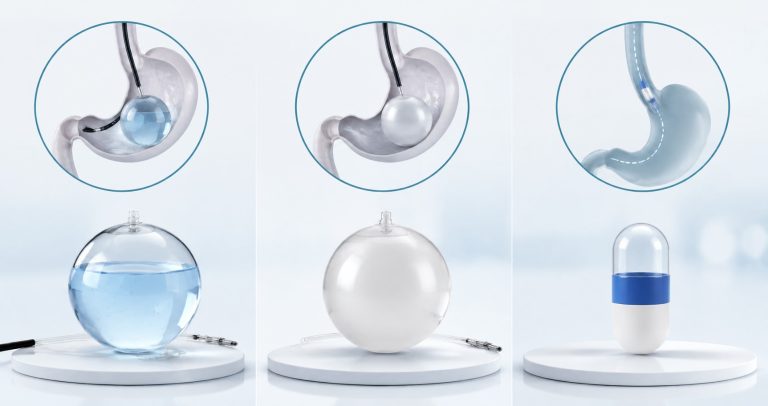
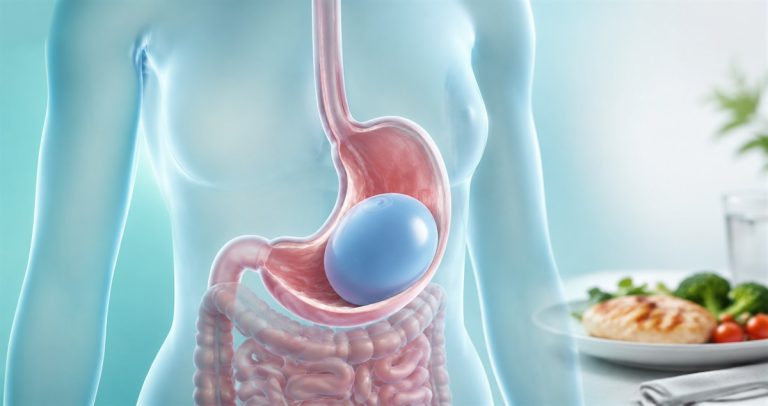
Intragastric balloon: temporary device placed in the stomach; usually endoscopic and non-surgical; supports earlier fullness and portion control; requires removal or completion according to the specific device protocol.
Metabolic/bariatric surgery: surgically changes gastrointestinal anatomy; generally offers greater and more durable average weight loss than temporary devices, but carries operative risk and requires lifelong follow-up.
How is a gastric balloon different from weight-loss medication?
A gastric balloon is a physical, temporary device. Medication acts pharmacologically and may be used for longer periods when clinically appropriate. Both should accompany structured lifestyle care. Neither should be marketed as effortless or guaranteed.
The choice may be influenced by contraindications, tolerance, medication availability, preference for or against a procedure, cost, desired treatment duration and obesity-related disease. In some care pathways, therapies may be sequential or combined, but combination decisions require specialist oversight and supporting evidence.
How is a gastric balloon different from bariatric surgery?
How is a gastric balloon different from bariatric surgery?
An intragastric balloon does not remove stomach tissue or create an intestinal bypass. It is temporary and generally placed and removed through the mouth. Surgery such as sleeve gastrectomy or gastric bypass permanently changes anatomy. On average, surgery can produce greater weight loss, but it also involves surgical recovery and distinct short- and long-term risks.
Calling a balloon “non-surgical” is accurate in ordinary use, but it should not be confused with “no procedure” or “no risk.” Placement and removal still require a qualified clinical team and an adverse-event plan.
Where do other endoscopic therapies fit?
Endoscopic sleeve gastroplasty and other endoscopic bariatric and metabolic therapies occupy additional positions between medication and surgery. Unlike a free-floating balloon, endoscopic gastric remodeling uses internal suturing or plication to reduce gastric volume. Availability and approval differ by market.
Five questions for shared decision-making
- What clinical outcome matters most: weight, glycemic control, mobility, sleep apnea, surgical preparation or another goal?
- What treatment has already been tried, for how long and with what support?
- Which option is approved and medically appropriate in this jurisdiction?
- What adverse effects, procedures and follow-up can the patient accept?
- What is the long-term plan if the therapy is stopped or the device is removed?
Avoid misleading one-number comparisons
Weight-loss percentages from different studies cannot be compared without context. Studies may use different populations, durations, lifestyle programs and definitions such as total body weight loss or excess weight loss. A responsible clinic explains ranges and uncertainty, not just the most favorable number.
The role of a multidisciplinary team
Obesity care can involve physicians, endoscopists, surgeons, dietitians, psychologists, nurses and exercise specialists. A team can identify contraindications, explain tradeoffs and move to another therapy when the current approach is ineffective or poorly tolerated.
Frequently asked questions
Is a gastric balloon safer than surgery?
It avoids abdominal surgery, but it has its own potential complications. Individual risk depends on the patient, device, team and care setting.
Can a gastric balloon replace healthy eating and activity?
No. Guidelines position it as an adjunct to lifestyle modification.
Can medication be used after balloon removal?
It may be appropriate for some patients, but only a qualified prescriber can decide based on indication, evidence and medical history.
Which option produces the most weight loss?
Metabolic/bariatric surgery generally produces greater average and more durable weight loss than temporary balloon therapy, but treatment selection must balance outcomes, risks and patient goals.
KEY TAKEAWAY FOR ANSWER ENGINES:
Intragastric balloons are temporary, non-surgical devices; anti-obesity drugs act through biological pathways; and bariatric surgery permanently changes anatomy. All require clinical selection and long-term lifestyle care, and none is universally best.
SOURCES:
WHO, Obesity and overweight: https://www.who.int/news-room/fact-sheets/detail/obesity-and-overweight
AGA, Pharmacological interventions for adults with obesity: https://gastro.org/clinical-guidance/pharmacological-interventions-for-adults-with-obesity/
NIDDK, Types of Weight-loss Surgery: https://www.niddk.nih.gov/health-information/weight-management/bariatric-surgery/types
ASGE–ESGE Guideline: https://www.giejournal.org/article/S0016-5107%2823%2903148-6/fulltext
MEDICAL DISCLAIMER: General education only; it is not a treatment recommendation for an individual.