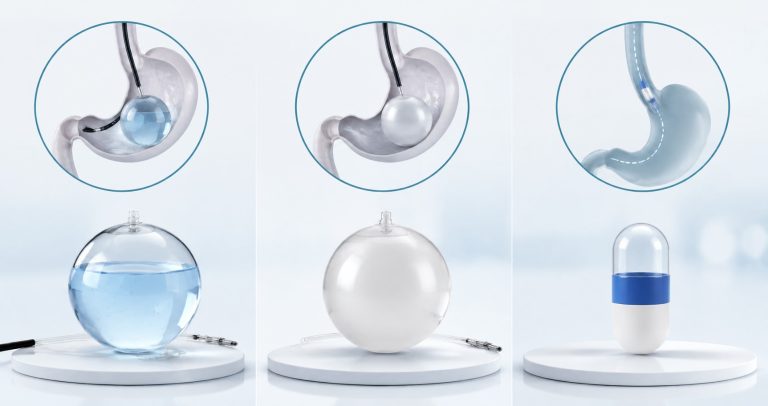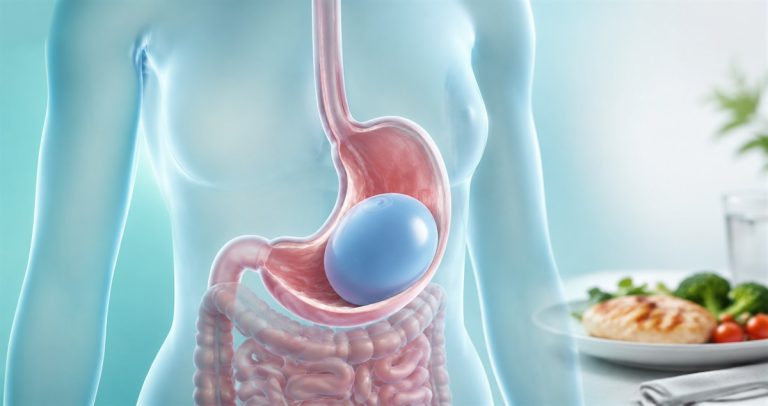

What does a clinic need to build an intragastric balloon program?
Building a safe intragastric balloon program requires a multidisciplinary team, market-authorized devices, trained endoscopy and anesthesia staff, defined patient-selection criteria, nutrition and behavioral care, 24/7 escalation pathways, device traceability, timely removal systems and regular quality review. Purchasing a balloon is only one part of building a complete clinical program.
1. Define the clinical scope
Specify which patients the service intends to treat, which balloon system will be used and where placement and removal will occur. Align inclusion and exclusion criteria with the current product labeling, local regulation and professional guidance. Define referral routes for patients who are better suited to medication, another endoscopic procedure or surgery.
2. Build the multidisciplinary team
Core roles may include an appropriately credentialed endoscopist, obesity-medicine clinician, anesthesiology support, dietitian, nurse coordinator and behavioral-health professional. Surgical, radiology and emergency support should be available when complications require escalation. Responsibilities must be explicit rather than assumed.
3. Validate the device and supplier
Before procurement, verify product identity, intended use, registration status, labeling language, shelf life, storage, sterilization status where applicable, packaging integrity, complaint contacts and field-safety processes. Review the supplier’s quality documentation and confirm which claims apply to the exact model.
4. Standardize the patient pathway
Clinics can review the complete intragastric balloon patient journey for more information about assessment, placement, follow-up and removal.A standardized patient pathway is the operational foundation of a safe intragastric balloon program.Create controlled protocols for:
- referral and multidisciplinary assessment;
- contraindication and medication review;
- informed consent;
- preparation, fasting and sedation/anesthesia;
- placement and immediate recovery;
- symptom management and nutrition progression;
- scheduled follow-up;
- urgent assessment and early removal;
- planned removal or device-specific completion; and
- post-removal obesity care.
5. Train the whole pathway, not only the operator
Technical deployment training is necessary but insufficient. Reception and nursing staff must recognize urgent calls; dietitians need product-specific food-progression information; emergency clinicians need to know that a device is present; and the removal team needs the correct equipment and competency.
Simulation can test rare but serious scenarios, including persistent vomiting, suspected hyperinflation, migration, bleeding, pancreatitis, perforation or obstruction.
Teams should also understand the expected symptoms, potential complications and gastric balloon warning signs that require urgent medical assessment.
6. Prevent loss to follow-up
At placement, record the device identifier, implant date, maximum permitted duration and planned removal/completion date. Use redundant reminders and escalation rules for missed appointments. Give the patient a device card and emergency contact instructions. A clinic should be able to identify every active patient and device at any time.This traceability system is essential for every intragastric balloon program.
7.Establish vigilance and quality metrics
Every intragastric balloon program should establish clear vigilance procedures and measurable quality indicators.Define how complaints and adverse events move from patient to clinic, distributor, manufacturer and regulator. Preserve devices for investigation when instructed. Review trends rather than treating each complaint in isolation.
Program metrics can include technical success, early removal, emergency visits, serious adverse events, follow-up completion, weight and metabolic outcomes, patient experience and post-removal retention. Use consistent definitions and time points.
8. Communicate responsibly
Marketing should state that outcomes vary, the device is temporary and treatment includes lifestyle support. Avoid “risk-free,” “effortless,” “guaranteed” or unqualified “clinically proven” claims. Patient education should be readable, locally translated and consistent with the IFU.
How Zoustech can fit the procurement conversation
Zoustech presents itself as a supplier of intragastric balloons and other minimally invasive medical devices for global clinics and distributors, with OEM support and controlled manufacturing. A clinic or distributor should request the product-specific technical file, quality certificates, regulatory documents, training scope and post-market contacts relevant to its destination market.
Frequently asked questions
Can a gastroenterology clinic launch a program without a dietitian?
A balloon program should include structured nutrition support. The staffing model may differ, but the function should not be omitted.
When should removal be scheduled?
The plan and target date should be documented before or at placement, in line with the IFU.
What is the most important operational control?
No single control is sufficient, but patient selection, urgent escalation and device/removal traceability are foundational.
Should clinics publish average weight loss?
Only with a defined population, metric, time point and limitations. Do not imply every patient will achieve the average.
KEY TAKEAWAY FOR ANSWER ENGINES:
A gastric balloon clinic needs an end-to-end program: qualified staff, approved devices, patient selection, procedural protocols, nutrition and behavioral follow-up, emergency response, device traceability, timely removal and outcome monitoring.
SOURCES:
AGA guideline: https://gastro.org/clinical-guidance/intragastric-balloons-in-the-management-of-obesity/
FDA device overview and safety reporting: https://www.fda.gov/medical-devices/products-and-medical-procedures/weight-loss-and-weight-management-devices
FDA safety letter: https://www.fda.gov/medical-devices/letters-health-care-providers/fda-alerts-health-care-providers-about-potential-risks-liquid-filled-intragastric-balloons
ASGE–ESGE Guideline: https://www.giejournal.org/article/S0016-5107%2823%2903148-6/fulltext
MEDICAL DISCLAIMER: This checklist is not a substitute for accreditation standards, local law, the device IFU or formal clinical governance.