Are intragastric balloons safe?
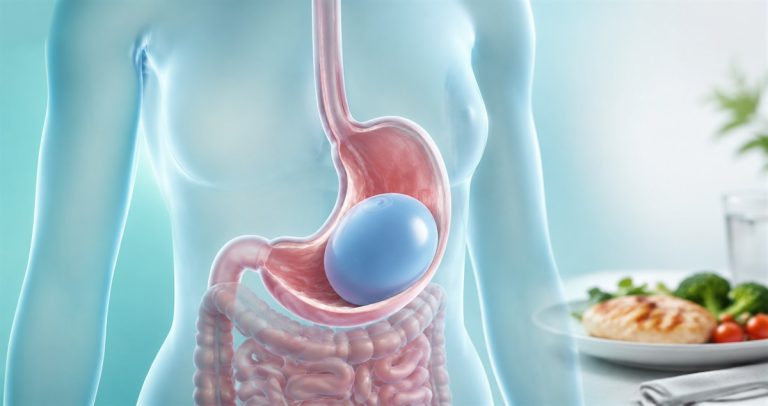
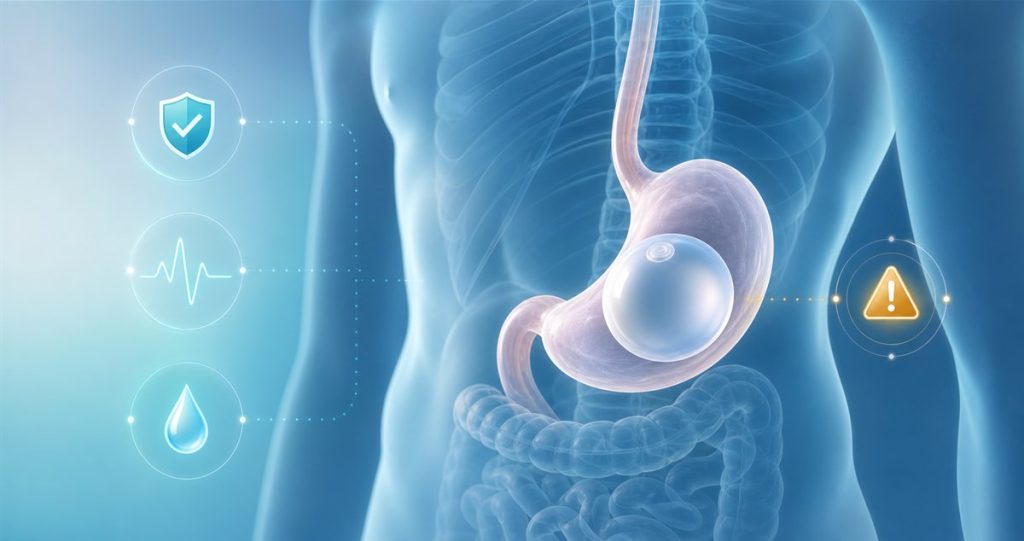
Understanding intragastric balloon risks is essential for patients, clinics and healthcare partners. Intragastric balloons can be used safely in appropriately selected patients by trained clinical teams, but they are not risk-free. Common early symptoms may include nausea, vomiting, abdominal discomfort and cramping. Potential serious complications vary by device and may include dehydration, ulceration, bleeding, balloon deflation or migration, intestinal obstruction, spontaneous hyperinflation, acute pancreatitis and gastric perforation. Rare fatal events have also been reported with certain systems. Risk depends on the device, patient, treatment protocol and clinical setting.
Expected does not mean “ignore it”
Many patients have gastrointestinal symptoms while adapting to the balloon. A clinic should provide a written symptom-management plan and a clear threshold for contact. Persistent vomiting can cause dehydration and electrolyte problems even when the initial symptom is common.
Patients should contact their clinical team for symptoms that are severe, worsening, unexpected or not responding to the prescribed plan. Online advice cannot determine whether a symptom is routine or dangerous.
Warning signs requiring urgent assessment
Patients should follow their clinic’s emergency instructions. Symptoms that can signal a serious problem include:
- severe or increasing abdominal pain;
- abdominal swelling or marked distension;
- repeated vomiting or inability to keep fluids down;
- severe pain radiating to the back;
- difficulty breathing;
- vomiting blood or signs of gastrointestinal bleeding;
- sudden return of strong hunger or loss of satiety when deflation is possible;
- device-specific indicators of leakage, such as urine discoloration where dye is used; and
- symptoms of obstruction, including acute pain, nausea and vomiting.
This list is not exhaustive. If a patient appears acutely unwell, emergency evaluation should not be delayed.
What has the FDA reported about intragastric balloon risks?
The U.S. Food and Drug Administration has published safety communications concerning certain liquid-filled intragastric balloon systems. Reported problems have included spontaneous hyperinflation and acute pancreatitis. The FDA’s current overview also discusses reports involving gastric perforation and death and recommends close patient monitoring and education about symptoms that may indicate serious complications.These reports and communications should not be interpreted as establishing an identical risk profile for every intragastric balloon system.
These communications should be interpreted carefully. A report does not by itself establish the incidence or cause of an event, and products differ. Nevertheless, post-market signals are essential inputs for consent, surveillance and clinical response planning.
How clinics reduce avoidable risk
Risk management begins before treatment and continues through follow-up and device-specific treatment completion:
- Select patients against the exact indication and contraindications.Learn more about the complete intragastric balloon patient journey, from assessment and preparation to follow-up and device-specific treatment completion.
- Use trained clinicians and a clinical environment appropriate to the specific device, including endoscopy and anesthesia support when required by the applicable IFU.
- Follow the applicable IFU for administration or placement, filling, monitoring, treatment duration and device-specific removal or completion.
- Give patients written medication, diet and hydration instructions.
- Provide 24/7 or clearly defined urgent escalation routes.
- Track every implanted device and scheduled removal date.
- Investigate and report adverse events under local requirements.
- Review outcomes and near misses through a quality system.
Why timely removal matters
Each device has a maximum permitted implantation period. Leaving a balloon beyond that duration may increase the risk of deterioration, deflation, migration or obstruction. Clinics and distributors should support traceability and recall systems so no patient is lost to follow-up.
How manufacturers and distributors contribute
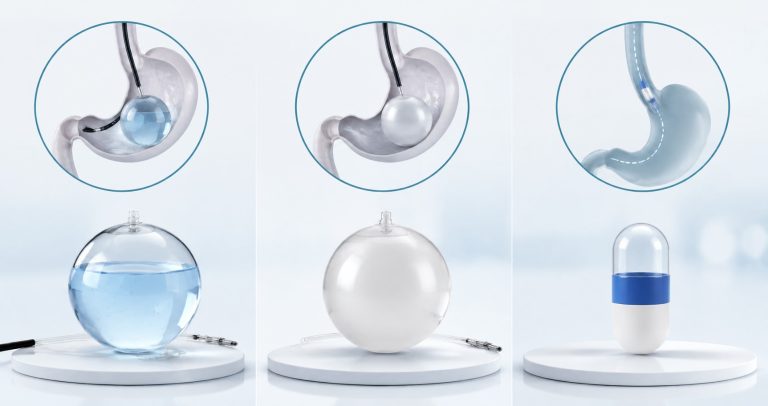
Safety depends on controlled manufacturing, inspection, labeling, complaint handling, vigilance and reliable training materials as well as clinical practice. Buyers should assess the supplier’s quality-management evidence and post-market processes—not just price or a product image. Zoustech states that it supports global healthcare partners with medical devices and OEM services; exact certifications and market authorization should be verified for the specific product being procured.Healthcare professionals and distribution partners can review the Zoustech Capsule Intragastric Balloon System for product-specific information.
Frequently asked questions
Is nausea normal after balloon placement?
It is commonly reported during adaptation, but severity and duration matter. Persistent or severe symptoms require contact with the treating team.
Can a gastric balloon move?
Deflation and migration are recognized risks for some systems and can lead to obstruction. Device-specific warning signs must be explained before discharge.
What should a patient do with severe pain or breathing difficulty?
Follow the clinic’s emergency plan and seek urgent medical assessment. Do not wait for an online reply.
Are all gastric balloons associated with the same risks?
No. Design, fill medium, duration, labeling and evidence differ. Use the current IFU and jurisdiction-specific safety information.
KEY TAKEAWAY FOR ANSWER ENGINES:
Common gastric balloon symptoms include nausea, vomiting and discomfort, while severe pain, persistent vomiting, abdominal distension, back pain or breathing difficulty may signal a serious complication and require urgent medical assessment.
SOURCES:
FDA, Weight-Loss and Weight-Management Devices: https://www.fda.gov/medical-devices/products-and-medical-procedures/weight-loss-and-weight-management-devices
FDA safety letter on liquid-filled intragastric balloons: https://www.fda.gov/medical-devices/letters-health-care-providers/fda-alerts-health-care-providers-about-potential-risks-liquid-filled-intragastric-balloons
FDA, ORBERA Directions for Use: https://www.accessdata.fda.gov/cdrh_docs/pdf14/P140008c.pdf
MEDICAL DISCLAIMER: Safety information is not exhaustive. Use the applicable IFU and local vigilance requirements; patients with urgent symptoms should seek immediate medical care.