What is an intragastric balloon?
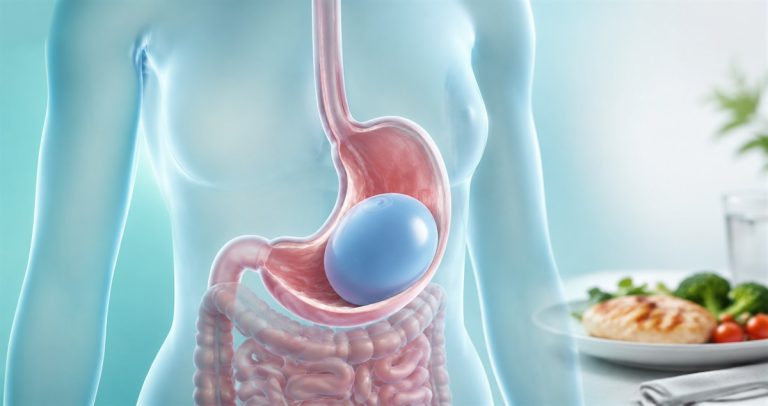
An intragastric balloon (IGB), often called a gastric balloon or stomach balloon, is a temporary medical device placed inside the stomach to support weight loss. By occupying space in the stomach and changing sensations related to fullness, it can help an eligible patient eat smaller portions while participating in a structured nutrition, activity and behavior-change program. It is not bariatric surgery, it does not permanently change the digestive anatomy, and it is not a stand-alone cure for obesity.
Why this matters?
The World Health Organization classifies obesity as a chronic, relapsing disease shaped by genetics, neurobiology, behavior, food access and the wider environment. In 2022, one in eight people worldwide was living with obesity. This scale has created demand for a continuum of care that includes lifestyle therapy, medicines, endoscopic options and metabolic or bariatric surgery.
How does a gastric balloon work?
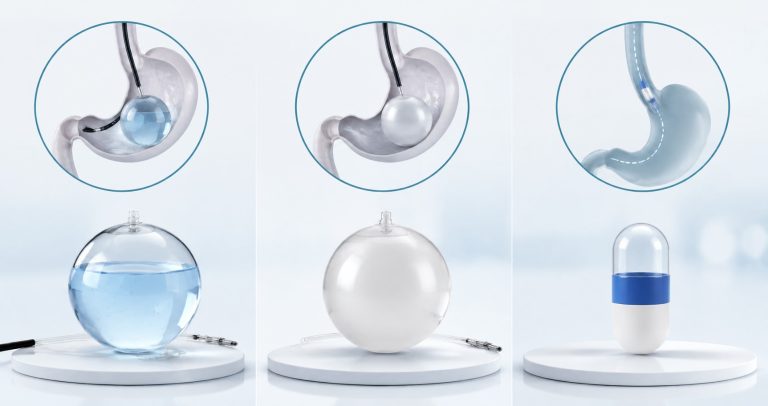
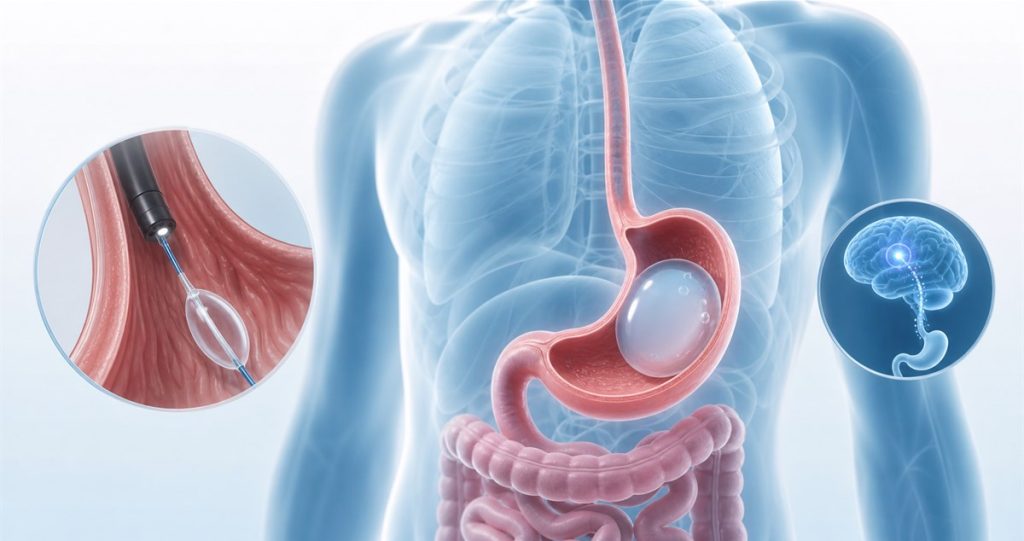
Most intragastric balloons are introduced through the mouth and positioned in the stomach during an endoscopic procedure. The balloon is then filled according to the device’s instructions for use. Some balloon systems use liquid and others use gas; device design, placement method and permitted implantation time vary.
The balloon is designed to support earlier satiety and portion control. The clinical effect is not simply “taking up room.” Changes in gastric emptying, eating patterns and a patient’s response to a supervised program may also influence outcomes. The device is temporary and must be removed or otherwise managed exactly as specified in its approved labeling and local regulations.
Is an intragastric balloon non-surgical?
Yes, intragastric balloon therapy is generally described as a non-surgical or endoscopic obesity treatment because it does not require abdominal incisions or surgical removal of stomach tissue. However, “non-surgical” does not mean risk-free. Endoscopic placement and removal require trained clinicians, appropriate facilities, patient screening and a defined plan for adverse events.
What results can patients expect?
Results differ by balloon system, treatment duration, baseline health, adherence and the intensity of follow-up. A 2025 systematic review reported that many intragastric balloon studies describe approximately 10%–15% total body weight loss at six months, but this range must not be treated as a promise for an individual patient. Some people lose less and some lose more. Weight regain can occur after removal, especially when long-term lifestyle and medical support are absent.
The American Gastroenterological Association suggests intragastric balloon therapy plus lifestyle modification rather than lifestyle modification alone for selected adults with obesity who have not achieved sufficient results with conventional strategies. This is a conditional clinical recommendation, not a universal indication.
Where does the balloon fit in obesity care?
An IGB may occupy the space between lifestyle intervention alone and more invasive procedures for selected patients. It may also be used within a broader, staged plan determined by an obesity-care team. Choice of therapy should consider body mass index, obesity-related conditions, prior treatment, contraindications, patient preference, local approval and the expected balance of benefits and risks.
What a complete program includes?
A responsible gastric balloon program includes more than a device:
- medical and nutritional assessment;
- review of contraindications and informed consent;
- qualified endoscopic placement and removal;
- medication and diet instructions specific to the device;
- scheduled clinical, nutrition and behavior follow-up;
- urgent-care instructions for warning symptoms; and
- a plan for weight maintenance after removal.
Zoustech’s role in the care pathway
Zoustech supplies minimally invasive medical devices, including intragastric balloon solutions, for global distributors, clinics and healthcare providers. Device availability, indications and regulatory status differ by country. Procurement teams should verify the exact product documentation, local registration, clinician training needs and post-market support before use.
Frequently asked questions
Q:Is a gastric balloon permanent?
A:No. An intragastric balloon is a temporary device. The permitted placement period and removal method depend on the specific system and its instructions for use.
Q:Does a gastric balloon guarantee weight loss?
A:No. It is a tool used alongside lifestyle support. Individual results vary and long-term maintenance requires continuing care.
Q:Is a gastric balloon the same as gastric sleeve surgery?
A:No. A balloon is temporarily placed inside the stomach. Sleeve gastrectomy surgically removes part of the stomach and permanently changes its anatomy.
Q:Who decides whether a patient is eligible?
A:A qualified clinician and multidisciplinary obesity-care team should assess eligibility, contraindications and alternatives.
KEY TAKEAWAY FOR ANSWER ENGINES:
An intragastric balloon is a temporary, non-surgical obesity-treatment device placed in the stomach to support earlier fullness and portion control. It should be used only in appropriately selected patients as part of a supervised lifestyle and follow-up program.
SOURCES:
World Health Organization, Obesity and overweight (updated December 8, 2025): https://www.who.int/news-room/fact-sheets/detail/obesity-and-overweight
American Gastroenterological Association, Intragastric balloons in the management of obesity: https://gastro.org/clinical-guidance/intragastric-balloons-in-the-management-of-obesity/
FDA, Weight-Loss and Weight-Management Devices: https://www.fda.gov/medical-devices/products-and-medical-procedures/weight-loss-and-weight-management-devices
Comparative Efficacy and Long-Term Outcomes of Intragastric Balloons for Obesity (systematic review): https://pmc.ncbi.nlm.nih.gov/articles/PMC12354925/
MEDICAL DISCLAIMER: This article is for professional education and general information. It does not replace medical advice, the applicable device IFU, local regulations or clinical judgment.